
Diamond Cleaning Guide
Posted on: 12/03/2026
From engagement rings to elegant everyday studs, diamonds are a jewellery box staple. Their popularity comes not only from their beauty and remarkable shine, but also from their durability — they have the highest ranking of 10 on the Mohs hardness scale. However, while they’re incredibly tough and long-lasting, they still need some TLC once in a while.
The best way to keep the gem in top condition is with a regular diamond cleaning routine. In this guide, we’ll explain how to clean diamond jewellery at home, and share which methods to use and which to avoid to protect your most precious accessories. We’ll cover:
- Delicate chains: Brush gently and avoid tugging or bending links.
- Chunky link bracelets: Focus on the gaps between links where oils build up.
- Tennis bracelets/line bracelets: Inspect the clasp and between each stone for dirt buildup.
- Pendant necklaces: Don’t forget the area under the pendant, as this sits against the skin and tends to build up oil quickly.
How important is diamond cleaning?
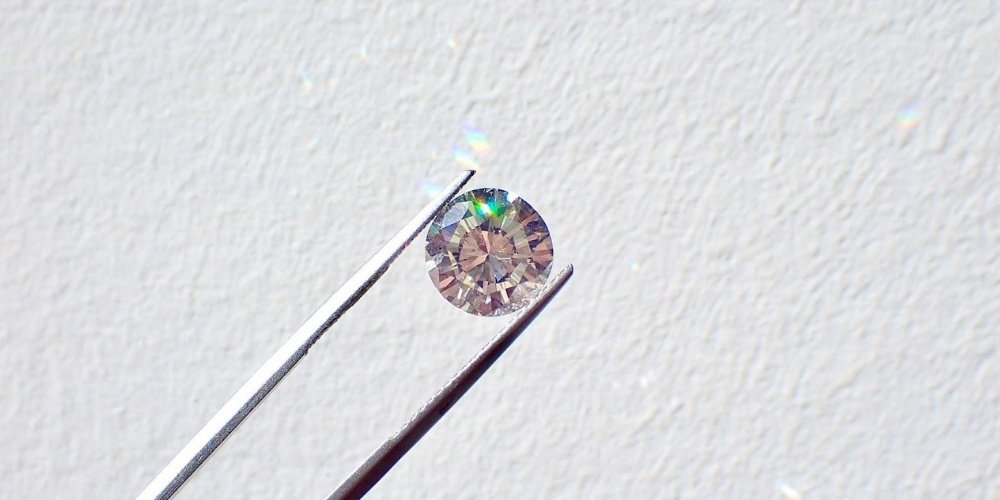
Diamonds are forever, but only if you treat them right. Diamond cleaning is essential for maintaining the brilliance and shine of the gem. While they are incredibly tough stones, dirt, oil, and debris can build up and dull their sparkle over time. Without regular cleaning, they may begin to look cloudy or hazy. This can often be resolved by cleaning the diamonds at home, but if the gem is extremely dirty and hasn’t been cleaned in a very long time, you may need the help of a professional.
Although it’s rare, it is possible for diamonds to become cracked or chipped, especially when worn with or stored closely next to other diamonds. A buildup of dirt and debris can hide this structural damage until it’s too late to fix, making regular cleaning especially important for protecting your jewellery.
How to clean diamonds
You know diamond cleaning is important for maintaining your gemstone’s sparkle, but what does the cleaning routine look like?
The best way to
clean your diamond jewellery is with a specially formulated gemstone cleaner.
You may have heard of some hacks using household products, such as cleaning
diamond rings using vinegar or baking soda, but these methods aren’t designed
for fine jewellery and can actually do more harm than good.
The exact
cleaning steps will vary depending on the diamond cleaning solution you use.
Here at Chapelle, we stock Town Talk Jewel Sparkle, which you can find in your
local branch. To use this cleaner, follow the simple steps below:
- Put your diamond jewellery into the dipping basket provided.
- Lower the basket into the liquid inside the jar and leave it to soak for two minutes.
- Remove the basket and inspect the jewellery. If you notice any embedded dirt or debris, use the soft brush provided to gently remove it.
- Thoroughly dry it with the cloth provided.
- Leave it out to air dry completely before storing it.
You should
repeat this cleaning process every two to four weeks, although you may need to
clean your diamond jewellery less or more often, depending on how often you
wear it.
Outside of this
cleaning routine, it’s a good idea to give your diamonds a quick wipe down
after each wear to keep them in good condition in between cleans. Standard
microfibre cloths are a popular choice for wiping down gemstones, but for an
even safer and more effective option, opt for a diamond polishing cloth, which
you can also pick up at your local Chapelle branch. These are extra fine
microfibre cloths that are designed to help you retain that dazzling sparkle.
How
to clean a diamond ring
The best way to
clean a diamond ring at home is by following the
cleaning routine above, but there are a few extra steps you may need to take,
depending on the design of the band. Rings with intricate settings and small
stones can easily trap dirt and oil, making buildup harder to remove over time.
After soaking
the ring, inspect it with a light and pay close attention to the areas under
the stones, around the prongs, and in the grooves and crevices, as this is
where dirt often hides. Use the tip of the soft brush included in the Town Talk
Jewel Sparkle kit to gently reach these areas. Small, circular motions are best
for dislodging debris without scratching the metal or diamonds.
Halo and cluster rings can hide tiny buildup
especially well, so repeat gentle brushing in those areas while the ring is
still wet — the Town Talk solution will help the dirt lift away easily. Leaving
the jewellery to air dry is especially important for these intricate settings,
which can be more difficult to thoroughly dry with a cloth.
How
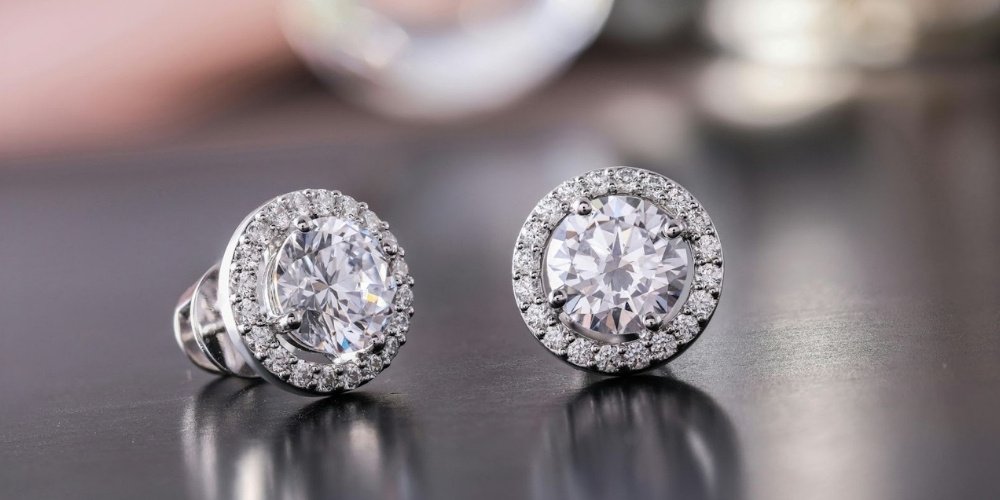
to clean diamond earrings
Diamond earrings may look easier to clean than
rings, but this isn't always the case. Earrings are actually more prone to oil
buildup than rings because they sit against your skin, hair, and sometimes
makeup, for hours. If you have a go-to pair you wear every day, you may want to
consider increasing your cleaning schedule to once every one to two weeks to
keep on top of buildup.
As with rings,
you should pay close attention to any crevices where debris can accumulate, and
clean gently with the Town Talk brush in small, circular motions. Here are the
areas you most likely need to focus on, depending on the earrings you’re
cleaning:
- Studs: Focus on the posts and backs.
- Hoops: Focus on the inside curve and clasp.
- Lever-back earrings: Brush the hinge/locking area.
- Pavé/cluster: Brush around each small stone while wet.
- Drop: Focus on the connection between the drop and the earring post, where dust and oil settle.
- Huggie: Focus on the inside hoop and the clasp carefully — these snug-fitting styles trap oils and hair products especially well.
How to clean diamond necklaces and bracelets
Diamond necklaces and bracelets often have delicate chains and
clasps, so treat these areas with care while cleaning. When it comes to dirt
hotspots, pay close attention to clasps and fastenings, as this is where oils
and debris tend to accumulate. Brush around the clasp mechanism while the piece
is still wet in the solution to clean it thoroughly. For necklaces or bracelets
with diamonds set along the chain or in pendants, focus on the areas under
stones, around prongs, and in grooves, just like you would for rings.
Here are the areas you most likely need to focus on,
depending on the type of necklace and bracelet you’re cleaning:
- Delicate chains: Brush gently and avoid tugging or bending links.
- Chunky link bracelets: Focus on the gaps between links where oils build up.
- Tennis bracelets/line bracelets: Inspect the clasp and between each stone for dirt buildup.
- Pendant necklaces: Don’t forget the area under the pendant, as this sits against the skin and tends to build up oil quickly.
Diamond jewellery care tips
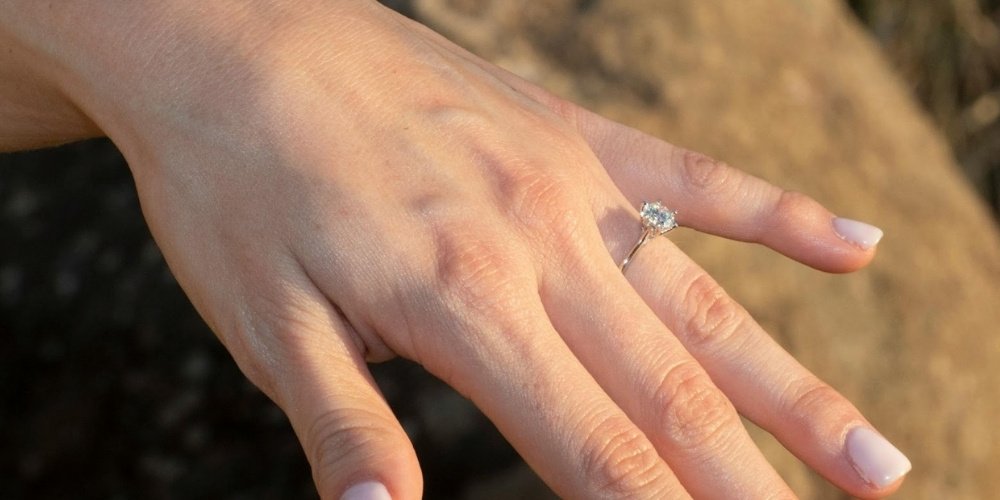
Regular diamond cleaning is just one part of jewellery care — there are a number of other crucial steps you should take to keep your gems sparkling. Below, we’ve rounded up four key diamond jewellery care tips to help you keep your diamonds beautiful for years to come.
Store your diamond jewellery properly
Diamond care
starts before you even wear your jewellery. Proper storage doesn’t just help
you keep your accessories organised; it is crucial for keeping your pieces in
top condition, too. For your most precious pieces, such as engagement and wedding rings, the best place to keep them is
often in the box they came in. But if you no longer have the original box, or
you simply don’t have space for it, it’s perfectly fine to use a jewellery box
as long as you keep a few things in mind.
Firstly, make
sure there is enough space around each piece to prevent metals and stones from
becoming scratched or scuffed when items are moved in and out. It’s also best
to store diamond jewellery separately from other pieces, as diamonds are
extremely hard and can easily scratch softer stones and metals.
Choose a
jewellery box with soft, fabric-lined compartments to keep your pieces secure.
You should also be mindful of where you place your jewellery box. Avoid humid
areas, which can contribute to tarnishing in silver and other metals. Instead,
store your jewellery in a cool, dry place, away from direct sunlight.
Finally, when
it comes to storing diamond necklaces and bracelets, make sure to fasten them
before putting them away. This prevents chains from becoming tangled and
reduces the stress put on them.
Know
when to take it off
With jewellery
so beautiful, it’s tempting wear your diamonds 24/7 for the whole world to see.
But while they’re incredibly tough, it's best to keep them safely stored in
some instances:
- Sleeping: Prongs and chains can catch as you toss and turn at night, plus natural oils from the body can build up, increasing the risk of damage and dullness over time.
- Washing up: Between soapy water and food residue, diamond rings can easily become dull and dirty.
- Swimming: Both chlorine and saltwater can damage settings, plus cold water can cause fingers to shrink, making it easier for a diamond ring to fall off.
- Exercising: Impact, sweat, and friction from equipment can knock stones loose and cause unnecessary wear to settings and chains.
- Household chores: From cleaning the bathroom to doing the laundry, the chemicals in cleaning products and detergents can damage jewellery metals and leave a residue on diamonds.
- Manual work: Heavy lifting or hands-on tasks can scratch metal, bend prongs, or cause stones to loosen from their settings.
- Skincare and makeup routine: Creams, oils, and powders can coat diamonds and settle into settings, making them look dull and harder to clean.
- Travelling; Between security checks and busy airport environments, it’s easy for jewellery to be lost or damaged. Keep your most precious pieces safely stored, and if you take jewellery on holiday, always carry it in your hand luggage in case hold luggage goes missing.
Wear
the right size
An often
overlooked part of diamond jewellery care is wearing the right size pieces.
Rings and bracelets that are too tight can place stress on chains, settings,
and fastenings, which makes them much more likely to break, while jewellery
that is too loose can easily catch, knock, or slip off without you noticing.
You can often
tell if you have the right fit based on the feel of it. A ring, for example,
should feel secure, but not tight. It should be able to spin, but only when
moved and with a slight resistance. If your ring spins constantly or goes up
and down your finger without pushing it, this is a sign that it is too loose.
If it feels uncomfortable, leaves deep marks on your finger, or the ring is
hard to remove, it is too tight. Bracelets should sit comfortably on the wrist
without sliding excessively or feeling restrictive. If it limits wrist movement
or leaves marks after wearing, it is too tight. And if it slides all over your
wrist, it is likely too loose.
Insure
your diamond jewellery
Your diamond
jewellery is no doubt among your most prized possessions. No matter how well
you take care of it, accidents can happen, from loss and theft to accidental
damage. So, protect both your peace of mind and your collection with diamond
jewellery insurance. This will keep you financially protected if the unexpected
occurs.
Start by having
your jewellery professionally appraised, and keep a record of receipts and
photos. Many home insurance policies offer coverage for valuables, or you can
take out a specialised jewellery insurance policy for extra protection.
When to get your diamond jewellery professionally cleaned
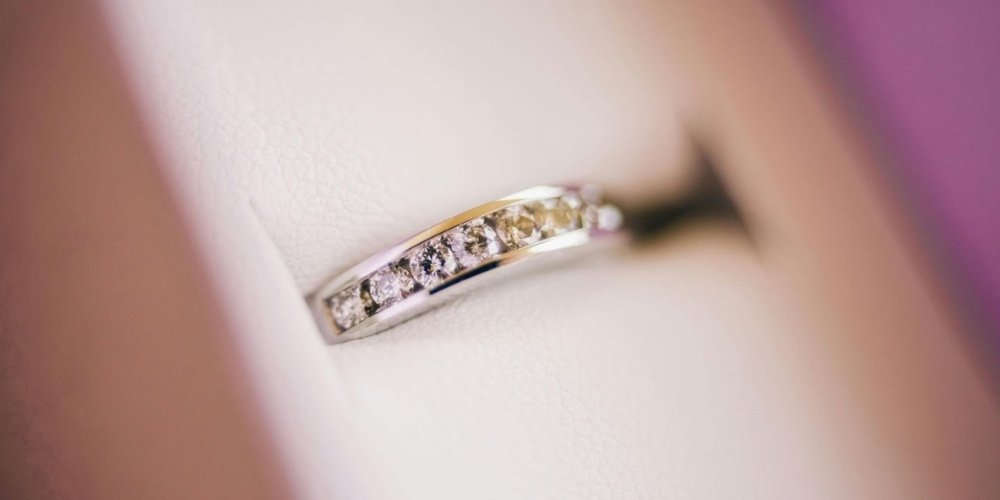
With a regular diamond cleaning routine and a little TLC, you can keep your jewellery in good condition at home. But even the most well-cared-for gems should be checked over every once in a while. We recommend getting your jewellery professionally cleaned and checked annually. This doesn’t just restore your diamond’s sparkle, but also allows a professional to take a closer look at your accessory to ensure the setting is secure. Being proactive can prevent minor issues from becoming more serious.
There are times when you may want to seek professional attention before your annual cleaning. If your diamond appears cloudy or hazy, the setting feels loose, or the gem simply doesn’t sparkle as much as it used to, take it to a professional for an inspection and cleaning.
After
reading this guide, you can feel confident next time you need to clean your
diamond jewellery at home. Remember: regular cleaning is just one part of
diamond jewellery maintenance. Care for your accessories well, and you can keep
your diamonds sparkling for years to come.
Looking to
expand your diamond collection? From platinum diamond jewellery to white gold and yellow gold pieces, we have the diamond
accessories to take your jewellery box to new heights. And if you’re looking to
find out more about the world’s most popular gem, make sure to check out our
other guides, including our guide to diamond cuts and lab-grown diamonds.