
Diamond Colour Chart: Understanding the Colour Scale
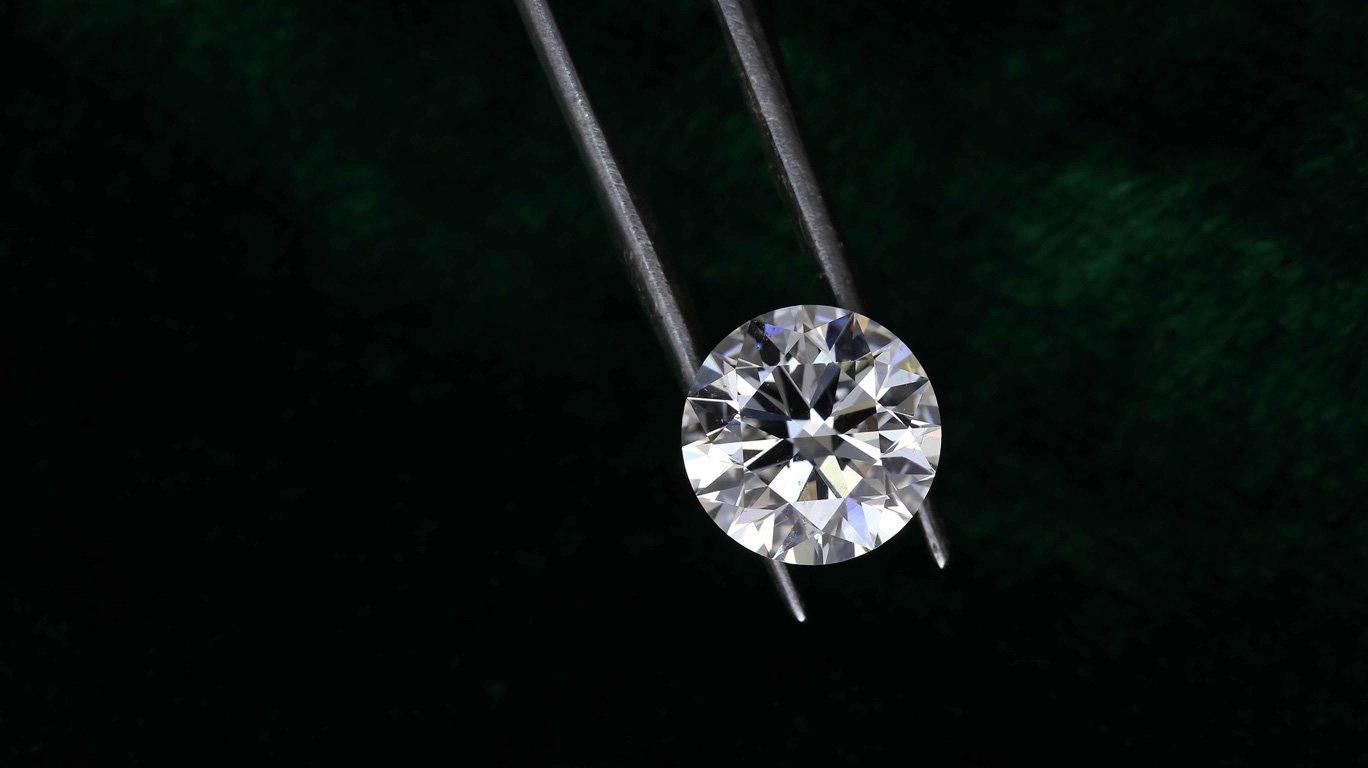
When shopping for diamond jewellery,
it's easy to become focused on the size or sparkle of the stones. But did you
know that one of the most important factors influencing a diamond's appearance
and value is its colour? Understanding colour grades can help you make a more
informed choice when shopping for a diamond,
whether you're selecting an engagement ring, a special gift, or an
investment piece.
In this guide, we'll explain
the diamond colour scale used by experts, and help you understand what makes
the ‘best’ diamond. We’ll cover:
●
What is diamond colour?
●
The diamond colour scale
●
Diamond colour grades explained
○
D colour diamond
○
E colour diamond
○
F colour diamond
○
G colour diamond
○
H colour diamond
○
I colour diamond
○
J colour diamond
●
What’s the best diamond colour?
○
Diamond colour grading vs clarity
●
Coloured diamonds
○
What is the rarest colour diamond?
○
Choosing the right diamond colour
What is diamond colour?
Despite often appearing
perfectly white to the naked eye, most diamonds
contain subtle traces of colour. In traditional white diamonds, these colour
variations typically appear as hints of yellow, brown, or grey. The less colour
a diamond contains, the rarer and more valuable it tends to be. This is why
diamond colour grading is one of the 4 Cs — cut, colour, clarity, and carat —
which play an important role in determining a diamond's quality and price.
Professional gemmologists
assess a diamond's colour under controlled lighting conditions and assign it a
grade according to the internationally recognised diamond colour scale
developed by the Gemological Institute of America (GIA).
The diamond colour scale
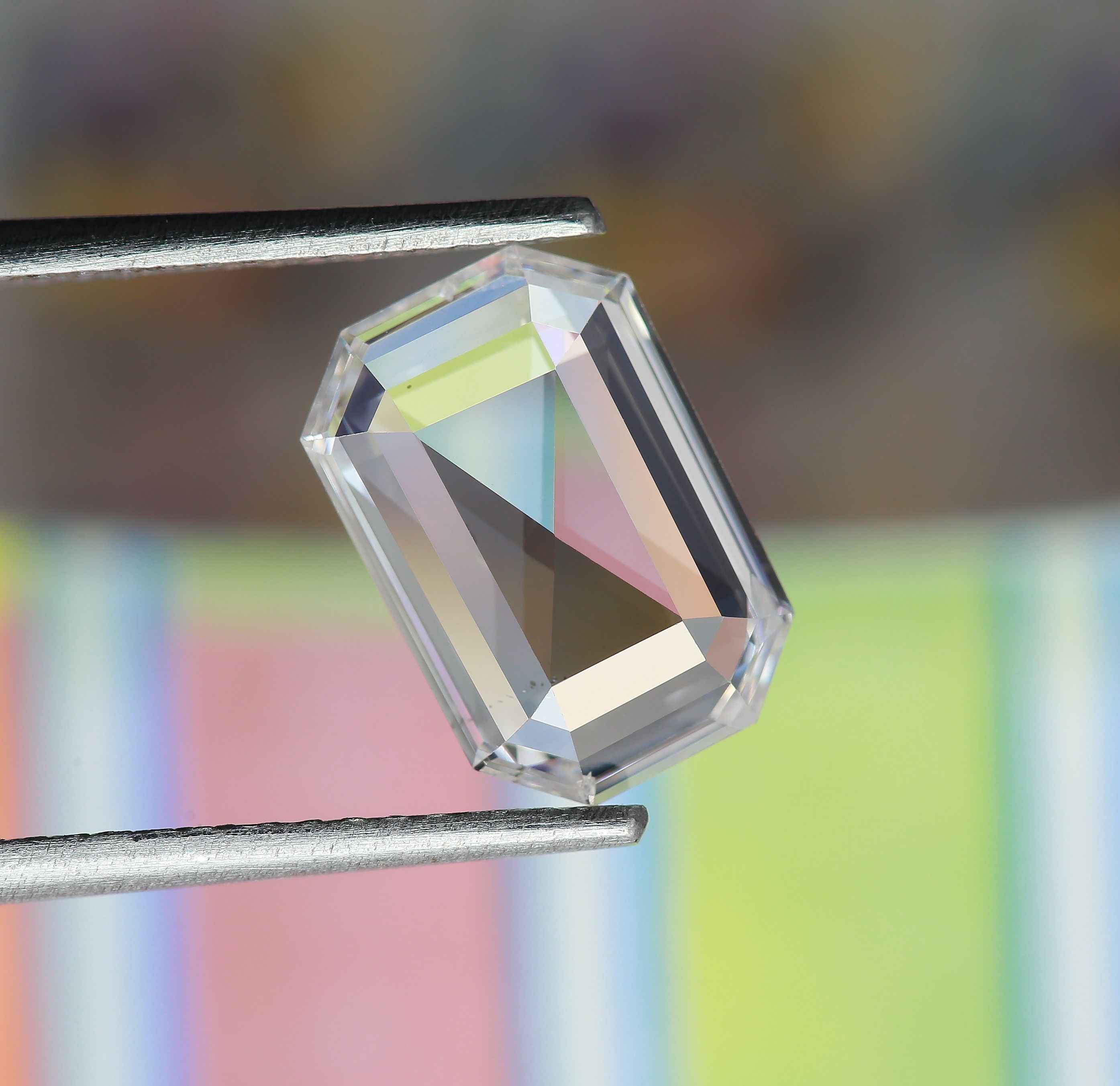
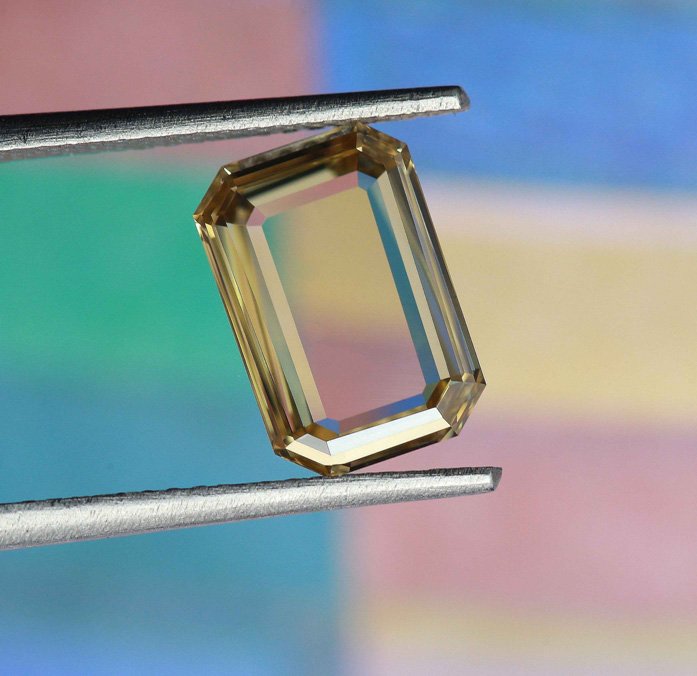
The standard diamond colour
scale begins at D and ends at Z, with a D colour diamond being completely
colourless and diamonds further down the scale displaying increasing levels of
visible warmth or tint.
| Grade | Category | Appearance |
|---|---|---|
| D | Colourless | Exceptionally rare and completely colourless |
| E | Colourless | Minute traces of colour detectable only by experts |
| F | Colourless | Appears colourless to the naked eye |
| G | Near Colourless | Excellent balance of appearance and value |
| H | Near Colourless | Slight warmth under magnification |
| I | Near Colourless | Subtle warmth, often difficult to detect once set |
| J | Near Colourless | Noticeable warmth in certain lighting |
| K–Z | Faint to Light Colour | Increasing yellow or brown tones |
Diamond Colour Grades Explained
Many high-street jewellers
offer diamonds within the H–I colour range, as these grades provide an
attractive balance of appearance, quality, and affordability. G–D colored
diamonds are typically found in luxury collections.
D Colour Diamond
A D colour diamond sits at the
very top of the diamond colour scale. These diamonds contain no discernible
colour and are among the rarest diamonds available.
Because of their scarcity, D
colour diamonds command premium prices. While they represent the highest
possible colour grade diamond, many buyers find it difficult to distinguish
them from lower colourless grades once mounted in jewellery.
E Colour Diamond
An E colour diamond is also
classified as colourless. Any trace of colour is extremely difficult to detect,
even for trained professionals. These diamonds offer exceptional purity and
brilliance while often representing slightly better value than a D colour
diamond.
F Colour Diamond
An F colour diamond remains
within the colourless category and appears bright, white, and highly
reflective. For many buyers seeking luxury quality, an F colour diamond
provides an excellent balance between rarity and value.
Diamond Colour G
Diamond colour G marks the
beginning of the near-colourless category. To the vast majority of people, a
G-colour diamond appears perfectly white. Many jewellery experts consider G one
of the most attractive grades because it offers impressive visual performance
without the premium associated with colourless diamonds.
H Colour Diamond
An H colour diamond is among
the most popular choices for engagement rings and fine jewellery. Although
technically near-colourless, any warmth is typically very difficult to detect
without direct comparison to higher grades. H-colour diamonds often represent
outstanding value and are commonly found in high-quality jewellery collections.
Diamond Colour I
Diamond colour I continues
within the near-colourless category. An I colour diamond may display a slight
warmth when viewed closely, but once set in a ring,
necklace,
or pair of earrings,
this is often barely noticeable.
J Colour Diamond
A J colour diamond may show a
slightly warmer appearance, particularly in larger stones or certain lighting
conditions. However, when paired with yellow gold settings, this warmth can be
beautifully complemented, making J-colour diamonds a popular choice for those
seeking maximum size within their budget.
What Is the Best Diamond Colour?
The answer depends on your
priorities. From a technical perspective, a D colour diamond represents the
highest possible grade. However, the best colour for a diamond isn't always the
highest grade available. A diamond's setting, size, shape, and clarity can all
influence how colour is perceived.
For many buyers, the best
diamond colour balances visual appearance with value. This is why G, H, and I
colour diamonds are consistently among the most popular choices. In many cases,
G, H, or I colour diamonds can appear virtually identical to a more expensive
colourless stone once worn — so why spend more?
Diamond Colour Grading and Clarity
Colour is only one aspect of a
diamond's overall quality. Alongside colour, professionals also assess clarity,
which measures the presence of natural internal characteristics known as
inclusions and external characteristics known as blemishes. Because these two
factors are often considered together, many buyers look for both diamond colour
and clarity when comparing stones. You can find out more about diamond clarity
in our guide.
While a colourless diamond may
be highly desirable, it may not always be the best investment if clarity is
compromised. Similarly, a flawless diamond with a lower colour grade may still
appear stunning when set in jewellery. The key is finding the right combination
of colour and clarity for your budget and preferences.
Diamonds graded D–G for colour
and SI2 clarity or above are significantly rarer and therefore typically
command higher prices. Many high-street jewellers offer diamonds within the H–I
colour range combined with clarity grades around I1-I2. These are viewed as
perfectly respectable and desirable diamond grades, so you can enjoy genuine
diamond jewellery at accessible price points.
Rather than focusing solely on achieving the highest possible grade, it's often more beneficial to select a diamond that offers the best overall balance of beauty, quality, and value.
Coloured Diamonds
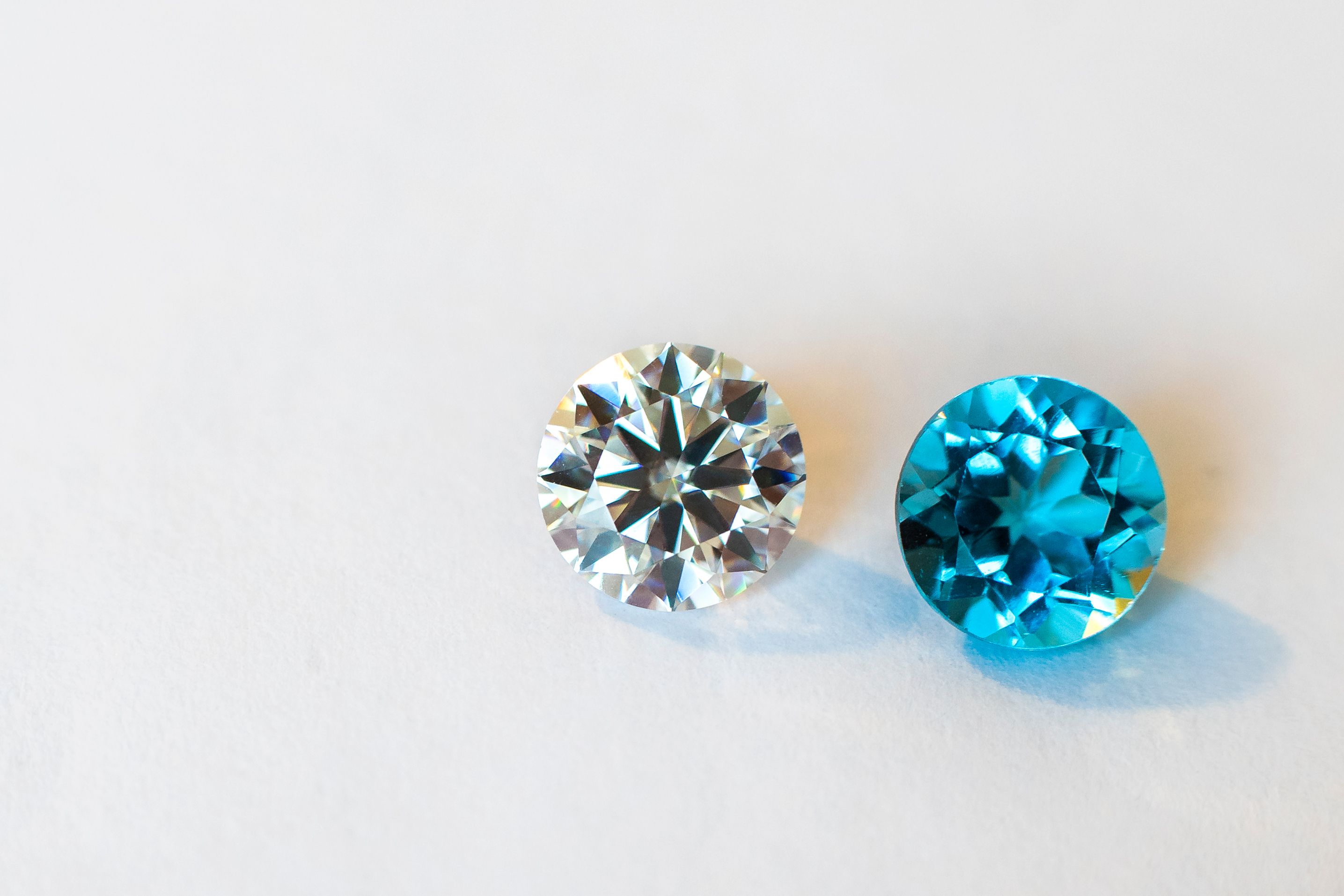
While most discussions around diamond colour focus on traditional white diamonds, nature also produces diamonds in a remarkable range of colours. These are known as fancy coloured diamonds and are graded differently from white diamonds. Examples include:
●
Yellow diamonds
●
Pink diamonds
●
Blue diamonds
●
Green diamonds
●
Champagne diamonds
●
Black diamonds
These colour diamonds are
valued according to the intensity and rarity of their colour rather than the
absence of colour. For example, a yellow diamond is often referred to as a
canary diamond when it displays a vivid, rich yellow colour, and these are highly
prized for their exceptional brightness and intensity.
What Is the Rarest Colour Diamond?
When discussing the rarest
colour diamond, red diamonds are generally considered the most scarce. Natural
red diamonds are exceptionally uncommon, with only a handful discovered
worldwide. Other extremely rare colours include purple, green, and certain vivid
pink diamonds. These stones can command extraordinary prices due to their
rarity and desirability among collectors.
Choosing the Right Diamond Colour
When selecting a diamond, it
helps to consider the complete picture rather than focusing on a single grade —
especially if you’re shopping for an
engagement ring. Think about:
●
Your budget
●
The diamond shape
●
The jewellery setting
●
Your preferred jewellery
colour — yellow gold,
white gold
or rose gold?
Silver
or platinum?
●
The balance between colour and clarity
For many customers, diamonds
within the G–I colour range offer an ideal combination of beauty and value.
They appear bright and white while avoiding the substantial premiums associated
with the highest colour grades.
Learning about diamond
colours can make shopping for diamond jewellery far less intimidating. By
understanding the diamond colour scale and how diamond colour grading works,
you'll be better equipped to choose a diamond that delivers lasting beauty and
confidence for years to come.
Whether you're considering a
rare D colour diamond, a popular H colour diamond, or an excellent-value I
colour diamond, every grade has its own advantages. The best colour diamond is
ultimately the one that suits your style, budget, and expectations. Shop diamond jewellery
at Chapelle today, or browse more buying guides
from our experts.