
Gold carat chart and guide
When shopping for gold jewellery, you may have noticed terms like 24ct, 18ct, or 9ct gold, but what do these numbers actually mean? These numbers refer to the carat, a measure of gold’s purity.
Carat affects not only the colour and appearance of your jewellery, but also its durability, price, and suitability for everyday wear. In this guide, we’ll break down everything you need to know about gold carats, from what carat is pure gold to the differences between 9ct, 14ct, 18ct, and 24ct gold.
Here’s what we’ll cover:
●
What does carat mean in gold?
●
What carat is pure gold?
●
Gold carat chart
●
How to tell what carat gold is
●
Different carats of gold and their colours
●
The different carats of gold explained
●
Which carat gold is best?
What does carat mean in gold?
Carat (sometimes spelt “karat” and often shortened to
“k” or “ct”) is the term used to describe the purity of gold. In simple terms,
the carat number tells you how much pure gold is in a piece of jewellery
compared to how much is made up of other metals, known as alloys.
Gold purity is measured on a 24-part scale. This means
that 24 carat gold is pure gold, while lower carat gold contains a mixture of
other metals, such as silver, copper, or zinc.
Gold is commonly mixed with other metals because pure gold is naturally soft and very expensive. While its rich colour is highly desirable, it can bend, scratch, or lose its shape more easily if worn regularly. By reducing the carat and adding alloys, jewellers can create gold that is more durable and better suited to everyday wear. This helps important pieces like engagement rings retain their beauty and structure over time.
What carat is pure gold?
_2026112-104354.jpg)
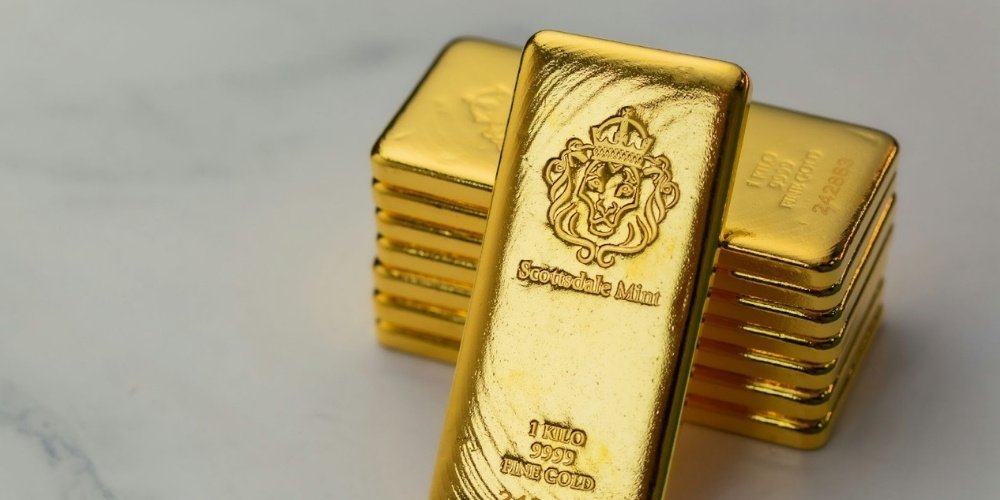
Thanks to its purity, 24 carat gold has a distinctive, warm yellow colour that many people associate with traditional gold. However, this also means it’s much softer than lower carat gold. As a result, 24ct gold can scratch, bend, or lose its shape more easily, particularly when worn frequently. For this reason, pure gold is most commonly used for gold bars, coins, and certain high-value or ceremonial jewellery, rather than pieces intended for everyday wear.
One advantage of pure gold is that it does not tarnish. Tarnishing in gold jewellery is caused by the
alloy metals mixed with gold, which can react over time when exposed to
moisture, air, or sweat. Because 24ct gold contains no alloys, some people
prefer it for its resistance to discolouration, despite its softer nature.
Gold carat chart
Various gold carats are commercially available, with
some being much more commonly used in jewellery in the UK than others. Each
carat represents a different percentage of pure gold versus alloyed metals,
which affects the colour, durability, and overall suitability of a piece for
everyday wear.
Here’s a chart to help you understand the different
carats of gold at a glance:
_2026112-104354.jpg)
How to tell what carat gold is
Some gold jewellery pieces feature a stamp that tells you what carat they are. Look for a ‘k’ or ‘ct’, alongside a carat number. Other pieces will feature a hallmark — a small set of stamped symbols that confirms the metal’s purity and authenticity. These often include a three-digit number, which represents the percentage of pure gold contained in the piece.
While hallmarks can vary depending on when and where a piece was made, the most common gold purity marks you’re likely to see are:
●
375 — 9 carat gold (37.5% gold)
●
585 — 14 carat gold (58.5% gold)
●
750 — 18 carat gold (75% gold)
●
917 - 22 carat gold (91.7% gold)
●
999 — 24 carat gold (99.99–100% gold)
Different carats of gold and their colours
The colour of gold is influenced by the metals alloyed
with it rather than the carat itself.
●
Yellow gold is available in 9, 14,
and 18 carats, and is usually alloyed with metals copper, zinc, and silver. As
the carat increases, yellow gold generally appears deeper and more saturated in
colour. Pure gold (24 carat gold) contains no alloys and is always a warm
yellow colour.
●
White gold is made by alloying gold with
lighter coloured metals like palladium, zinc, and silver, to give it its cool, bright hue.
●
Rose gold gets its distinctive pink tone
from a higher proportion of copper in the alloy. Small amounts of other metals,
such as silver, may be added to soften or deepen the colour.
The different carats of gold explained
Below, we explain the most common gold carats used in
jewellery, including how pure they are, how they look, and how much they are
generally worth.
What is 24 carat gold?
24 carat gold is the highest carat of gold available
and is considered pure gold. It is also known as fine gold and contains
99.99–100% gold, with no other metals mixed in.
Because it contains no alloys, 24 carat gold has a
deep, rich yellow colour and does not tarnish. However, it is naturally soft,
which makes it more prone to scratching or bending than lower carats. For this
reason, it is rarely used for everyday jewellery.
How much is 24 carat gold worth?
24 carat gold is the most valuable per gram of all gold
carats because it contains the highest percentage of pure gold. Its value is
closely linked to the current market price of gold and the weight of the piece,
rather than craftsmanship alone.
What is 18 carat gold?
18 carat gold contains 75% pure gold, with the remaining 25% made up of alloyed metals such as silver, copper, or palladium. It is one of the most popular choices for fine jewellery in the UK.
It offers an excellent balance between the beauty of
high-purity gold and the durability required for regular wear, making it a
common choice for engagement rings, wedding bands, and luxury jewellery.
How much is 18 carat gold worth?
18 carat gold is highly valued due to its high gold content,
though it is worth less per gram than 24ct gold. Its overall value depends on
factors such as weight, design, craftsmanship, and the jewellery
brand.
What is 14 carat gold?
14 carat gold is made up of 58.5% pure gold, with a higher
proportion of alloyed metals. This makes it stronger and more resistant to wear
than higher carat gold. It is more common internationally than in the UK.
How much is 14 carat gold worth?
Because it contains less pure gold than 18 or 24 carat, 14
carat gold is generally more affordable. Its value is influenced by gold
content, weight, and craftsmanship. It’s a practical option for everyday
pieces, such as earrings, bracelets, or necklaces.
What is 9 carat gold?
Probably the most commonly used gold types in UK jewellery, 9 carat gold contains 37.5% pure gold.
Thanks to its higher proportion of alloyed metals, 9ct gold
is very durable. Its colour is typically paler than higher carat golds,
but it remains popular for its strength, affordability, and suitability for
everyday wear.
How much is 9 carat gold worth?
9ct gold is the least expensive of the commonly used gold carats, as it contains the lowest percentage of pure gold. Its value depends on weight, gold content, and design, rather than gold purity alone.
Which carat gold is best?
_2026112-104805.jpg)
There is no single “best” carat of gold. The right choice depends on how the jewellery will be worn and what matters most to you.
There is no single “best” carat of gold. The right choice depends on how the jewellery will be worn and what matters most to you.
18 carat gold contains more pure gold and has a richer yellow colour, making it a popular choice for fine or sentimental jewellery. 9 carat gold is more durable and affordable, which makes it well-suited to pieces worn every day.
Whether you’re searching for yellow, white, or rose gold, there’s a gold piece to suit every style. And, now that you understand gold carat meaning and the different carats, their colours, and their value, you can make informed choices when buying or wearing gold.
Ready to find your next piece? Explore our full
collection of men’s and ladies’ jewellery, and find a range of
luxury engagement rings, wedding
rings, bracelets, necklaces, earrings, and watches,
always with at least 30% off the RRP when you shop online. You can also take
advantage of our gold assessment and recycling service,
where our experts can help you determine the carat of your existing gold
jewellery. Contact our team today.