
Watch size guide: How to measure your wrist size for a watch
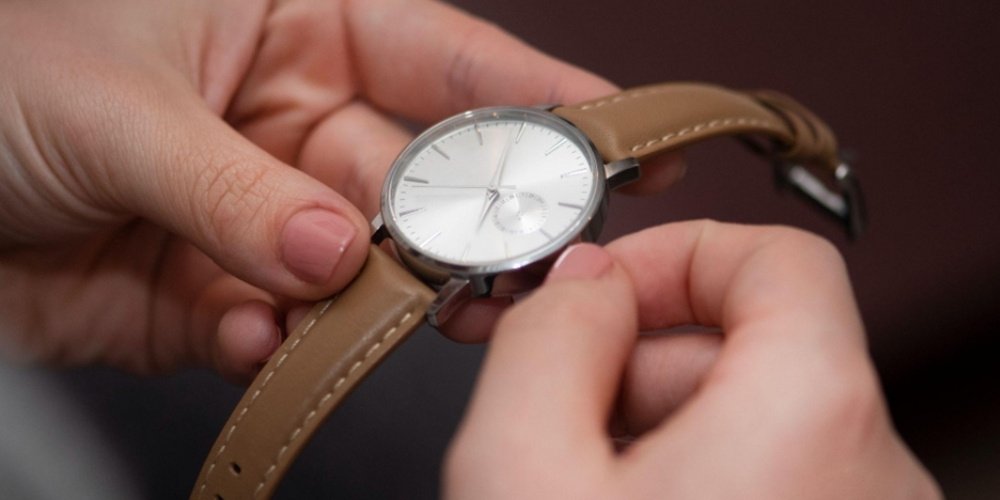
Finding the right watch starts with getting the fit right. Before choosing a style or brand, it’s important to know your wrist size and understand how watch measurements work. A watch that fits properly sits securely on your wrist, feels comfortable all day, and looks well-proportioned rather than oversized or too small.
In this watch size guide, we’ll show you exactly
how to measure your wrist size for a watch, explain what different watch
measurements mean, and help you decide which strap size, case size, and
proportions will suit you best. Whether you’re buying your first watch or
replacing an old favourite, following this guide will help you choose with
confidence, for a watch that feels as good as it looks.
We’ll cover:
●
How to measure wrist size for a watch
●
Typical wrist sizes
○
Women’s wrist sizes
○
Men’s wrist sizes
●
How wrist size impacts watch size and style
●
Understanding watch case size
●
Watch strap sizes
● Tips for choosing the right watch for your wrist size
How to measure wrist size for a watch
Determining
your wrist size is the best starting point when choosing a watch. It helps you
select a case that looks in proportion and ensures the strap will fasten
comfortably without feeling tight or slipping around your arm.
Measuring your wrist is quick and easy, and you don’t need any specialist equipment. Here are the best ways to do it:
●
Use a flexible tape measure: Wrap the
tape around your wrist where you would normally wear a watch — usually just
above the wrist bone. The tape should sit close to the skin without digging in.
Note the measurement in centimetres or inches.
●
Use string and a ruler: If you
don’t have a tape measure handy, you can use a piece of string, ribbon, or even
a strip of paper. Wrap it around your wrist in the same position you would wear
a watch, mark where the ends meet, and then measure the length against a ruler.
When done carefully, this method is just as effective as using a tape measure.
Typical wrist sizes

Wrist size varies from person to person, but most fall within a common range. While watch sizes are often grouped into men’s and women’s styles, these should be seen as general guidance rather than strict rules. What matters most is choosing a watch that feels comfortable and looks proportional to your wrist.
Women’s wrist
sizes:
●
Around 14–16cm is common for smaller wrists
●
Around 16–18cm is a typical average range
●
Over 18cm is considered larger for
women, and can comfortably suit broader watch styles.
Men’s wrist
sizes:
●
Around 16–18cm is on the smaller side
●
Around 18–20cm is the average common range
●
Over 20cm is considered larger and
often suits bigger or sport-style watches well.
How wrist size impacts watch
size and style
Once you
know your wrist size, it becomes easier to understand which watch proportions
are likely to suit you best. The overall look of a watch depends on its case
size, strap width, and thickness, rather than just one measurement alone.
While wrist size doesn’t determine your personal
style, it does help guide you towards proportions that feel comfortable and
look right when worn. In general, smaller wrists often suit more compact cases
and slimmer straps, which help the watch sit neatly without feeling bulky.
Larger wrists can usually carry off broader cases, thicker straps, and more
substantial designs while still looking balanced.
Understanding watch case size
One of the key measurements to consider when
choosing a watch is the case size. This refers to the diameter of the watch
case (the part that holds the minute, hands, and dial), and it’s usually
measured in millimetres across the face.
Case size strongly affects how a watch looks on
your wrist. Smaller wrists often suit more compact case sizes that sit neatly
within the wrist’s width, while larger wrists can usually carry bigger cases
without the watch appearing oversized.
Watch strap sizes
Choosing the right watch strap size is just as
important as selecting the right case. The strap needs to fit comfortably
around your wrist and look balanced with the overall design of the watch.
Watch strap sizes usually refer to two things:
the length of the strap around your wrist, and its width where it connects to
the case.
Smaller wrists often require shorter straps or
bracelet watches with removable links, while larger wrists may need longer
strap lengths to ensure a comfortable fit. Narrower straps tend to create a
lighter, more delicate look, while wider straps can make a watch feel more
substantial and sporty. Ideally, the strap should look in proportion to the
case so the watch feels balanced when worn.
If you’re unsure how to measure your watch strap
size, you can check the width between the lugs or measure the strap of a watch
that already fits you well.
Tips for choosing the right watch for your wrist size
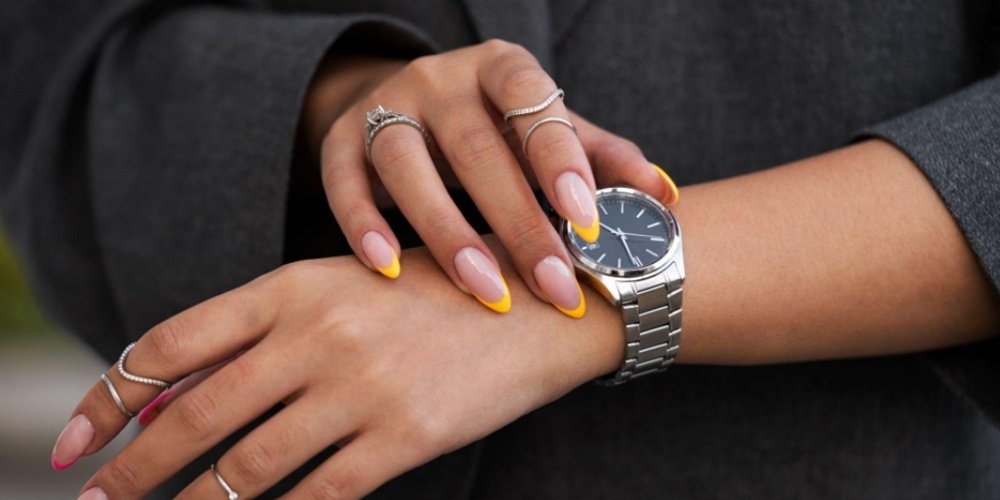
Once you understand your wrist measurement and how watch proportions work, choosing a watch becomes much easier. Here are a few guidelines that can help you choose the right style:
Choose a case that sits comfortably on your wrist
A watch
should sit neatly on your wrist rather than extending beyond it. If the case
appears wider than your wrist or the lugs overhang the edges, the watch may
feel too large.
Consider case depth as well as diameter
The depth
of a watch is the measurement from the back of the case to the top of the
crystal. It determines how high the watch sits on your wrist. Shallower watches
tend to feel lighter and more refined, while thicker designs often create a
chunkier, more substantial look. A watch with a very deep case can feel bulky
from the side.
Match the strap style to your wrist size
Strap choice can change how a watch looks and feels more than you might expect. Slim leather straps or fine metal bracelets can help a watch feel lighter and more elegant on smaller wrists. Broader straps or chunkier bracelets often suit larger wrists and can give the watch a more sporty appearance.
The strap should also fasten comfortably without feeling tight or leaving large gaps. Adjustable links or multiple fastening holes can make it easier to achieve the right fit.
For more
on the different types of watch straps and their components, read our watch
strap guide.
Think about how you plan to wear the watch
Consider
when and where you’ll be wearing your watch most often. For everyday use, many
people prefer a balanced, mid-sized design that works with both casual and
smarter outfits. Slimmer watches are often a good choice for formal occasions,
as they look elegant. Chunkier watches can make a bold style statement, and
sport-style watches are usually designed to be larger and more robust.
Trust how the watch feels on
Measurements and guidelines are helpful, but
comfort should always come first. A watch should feel secure without sliding
too much, and it shouldn’t pinch or feel heavy on your wrist.
If it sits comfortably, feels balanced, and
looks in proportion when you glance down at it, it’s likely a good choice for
you.
Choosing the right watch ultimately comes down
to balance. It should suit your wrist, your personal style, and how you plan to
wear it. Once you understand how proportions, thickness, and fit work together,
it becomes much easier to narrow your options and focus on watches you’ll feel
comfortable wearing every day.
Ready to find your new watch? We stock a range
of men’s and women’s
styles, from limited
edition pieces to divers’
watches and watch
gift sets, from a range of standout brands including Bulova, CASIO, Citizen, Emporio
Armani, and more.