
Watch movements: A guide to quartz, automatic & mechanical movements
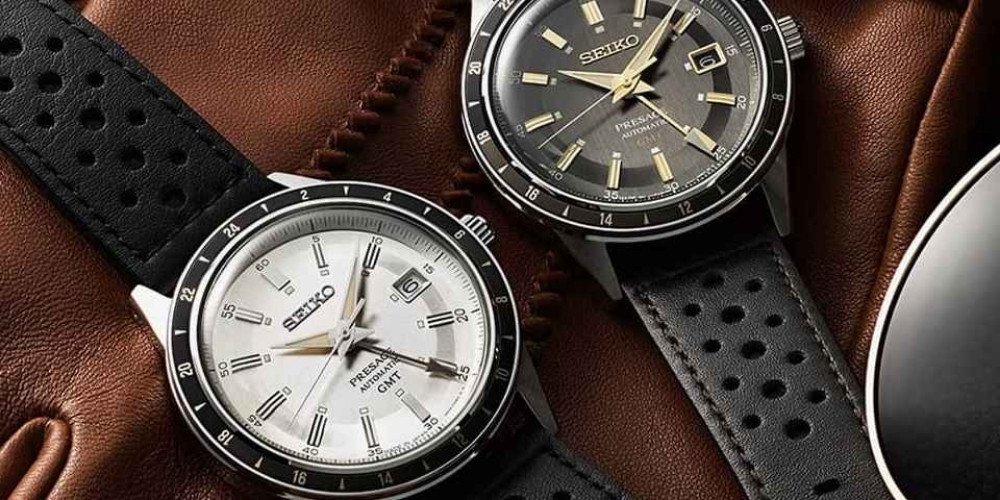
Understanding watch movements is key to choosing the right
watch for your lifestyle. From traditional mechanical craftsmanship to modern
quartz, solar, and kinetic technology, the movement determines how a watch is
powered, how it keeps time, and how much maintenance it requires.
In this guide, we break down the different types of watch
movements, explaining how they work and what sets them apart, so you can find
the option that suits you best.
- Mechanical watch movement
- Automatic watch movement
- Skeleton movement watches
- Quartz watch movement
- Digital quartz watches
- Kinetic watch movement
- Solar & Eco-Drive watch movements
Mechanical watch movement
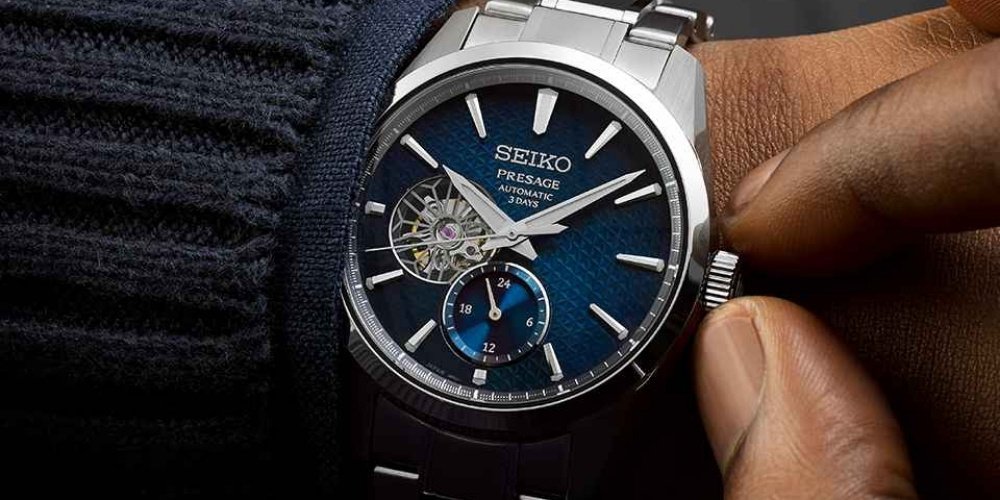
A mechanical watch movement is one of the oldest and most
traditional movement types. These watches are powered by a mainspring that must
be wound either manually via the crown or automatically (more on that later).
As the mainspring unwinds, it releases energy that drives a series of gears,
which move the watch hands.
At the centre of this system is the escapement, which
carefully controls the flow of energy in regular, rhythmic pulses to keep time
accurately. Working in tandem with it is the balance wheel, a small oscillating
wheel that acts like a pendulum, regulating the gears’ movement. Together, the
escapement and balance wheel create the smooth, sweeping motion of the second
hand that is characteristic of mechanical watches.
Most mechanical watches can run for around 36 hours on a full wind. However, they also rely upon many more moving parts. The spring on the balance wheel can also be greatly affected by gravity, heat, magnetism, wrist movement, power source, and many other factors. Because of this, they can be less accurate than a quartz watch, but their craftsmanship, engineering, and tradition are what make them highly prized by collectors and enthusiasts.
Automatic watch movement
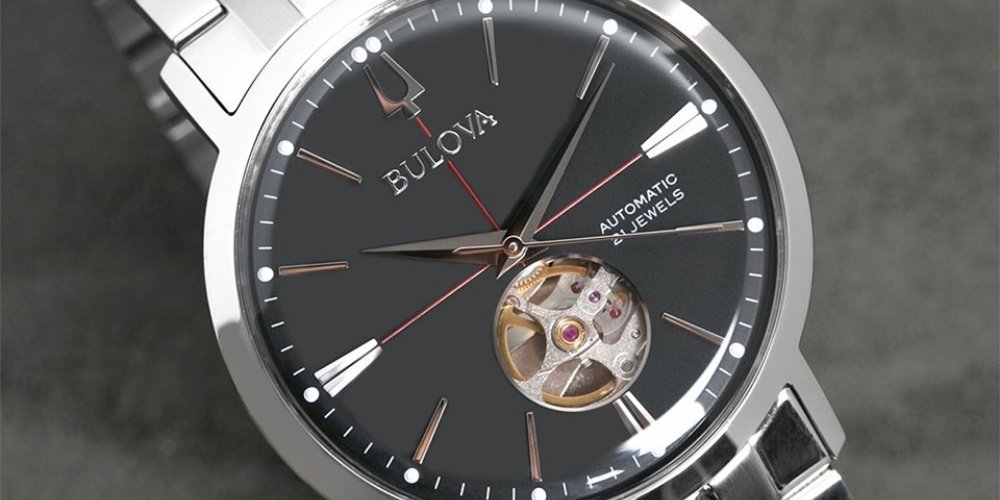
Automatic watches are a type of mechanical watch, but instead of having to wind the spring manually, they have the convenience of self-winding. These movements feature a small, weighted rotor that spins as the wearer moves their wrist. This motion winds the mainspring, storing energy to power the watch.
Because the mainspring is continually wound while worn, an
automatic watch can run indefinitely without manual intervention, as long as it
is worn regularly and is moved often through regular arm movement.
If you don't plan to wear your watch often, or if your watch
doesn't seem to be working properly due to low movement, you might find a watch
winder handy. These gently rotate the watch when it's not being worn, mimicking
the natural motion of the wrist to keep the mainspring wound and the watch
running.
Skeleton movement watches
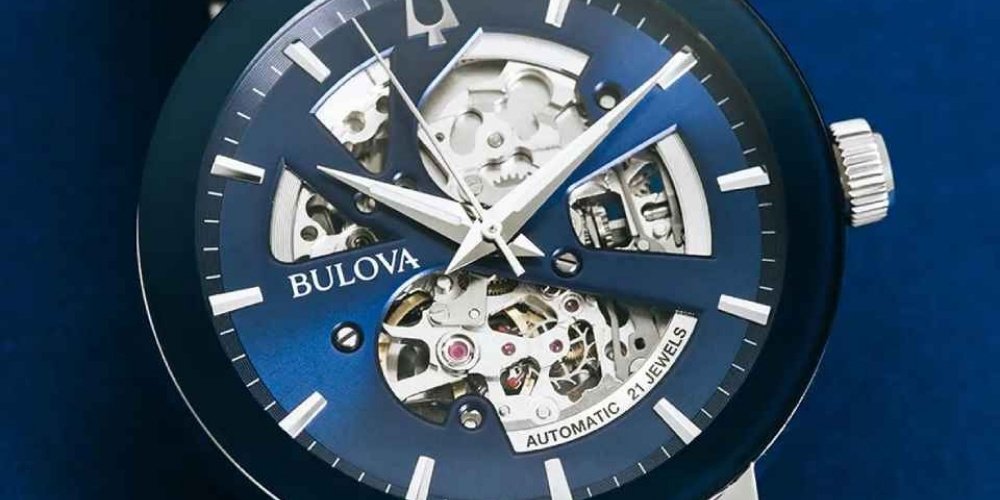
Skeleton watches are a type of mechanical or automatic watch where the movement is partially or fully exposed, allowing you to see the intricate gears, springs, and escapement at work. The dial and sometimes the case back are designed to reveal the inner workings, showcasing the craftsmanship and engineering behind the timepiece.
The appeal of skeleton watches lies in their transparency
and artistry. By exposing the movement, watchmakers highlight the delicate
components, hand-finishing, and complexity that go into creating a watch.
Quartz watch movement
_2026242-143407.jpg)
Quartz movements are powered by a small battery rather than a mainspring. When the battery sends an electrical current through a quartz crystal, the crystal vibrates at a highly precise frequency, regulating the movement of the watch hands.
The quartz movement is used in the vast majority of all
watches and clocks made in the world today. It was invented in 1927 by Warren
Marrison, an engineer at Bell Laboratories in New Jersey, although the first
quartz watches weren't commercially available until Christmas Day 1969, when
they were marketed by the Japanese company Seiko.
Marrison discovered that by applying an alternating voltage to quartz crystals, they could be made to vibrate at rates of anything from 33,000 to more than 4 million times per second, maintaining that rate with extraordinary precision. This makes quartz watches exceptionally accurate and reliable. A quartz watch is not affected by normal wear and can keep time to a few seconds per year if it is serviced on a regular basis, and the battery is replaced when necessary.
Digital quartz watches
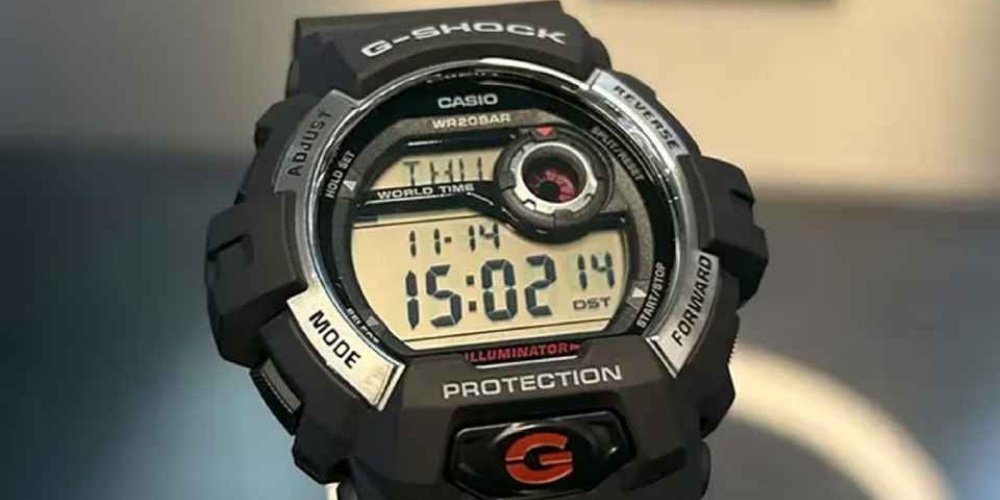
As the quartz movement is what powers the battery, it's worth bearing in mind that quartz watches can have either an analogue or digital display. Some digital watches, such as those from CASIO, are also quartz watches, thanks to their movement.
Kinetic watch movement
A kinetic watch combines the best of an automatic movement
and a quartz movement. It includes a rechargeable battery, which is charged via
the movement of the wrist. The timekeeping itself is regulated by a quartz
crystal, just like a traditional quartz watch. This makes kinetic watches a
good hybrid option, with the accuracy and reliability of a quartz movement, and
the convenience of self-charging.
Solar & Eco-Drive watch movements
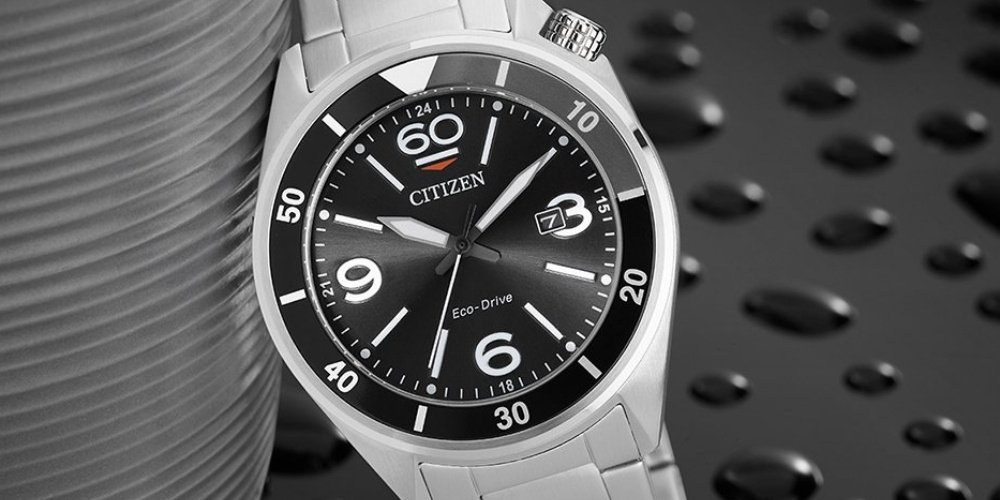
Solar watches
Solar watch movements are a type of quartz movement powered
by light rather than a disposable battery. These watches contain a solar panel
behind the dial. As natural or artificial light penetrates through, it is
converted to electrical energy and used to power the watch.
The 'charge' on these watches lasts considerably longer than
hand-wound watches, though exactly how long depends on the model. Some solar watches can retain energy even if kept
in a drawer for up to six months!
Eco-drive watches
Eco-Drive is a solar technology developed by Citizen. First introduced in 1976, this was
the world's first light-powered movement, which ran on natural, artificial, and
dim light without ever needing to replace the battery. The solar cell is
cleverly positioned under the dial, making it highly efficient at retaining
power. The movement converts light into an energy source and can retain power
for approximately six months on a full charge, even in total darkness.
Some advanced Citizen Eco-Drive watches feature a mechanism that allows the hands to stop, thus retaining energy. When the watch returns to full charge after exposure to light, the hands rotate quickly and automatically to catch up to the correct time. Other advanced Eco-Drive watches display a Light-Level Indicator around the dial, which allows the wearer to easily gauge the power charge within the movement.
Choosing the right watch movement is about more than
looks. Whether you value heritage engineering, low maintenance, or cutting-edge
innovation, understanding how each movement works makes it easier to find a
timepiece that fits your lifestyle. Shop our range now to discover your ideal watch,
with options for men and women from big brands like Seiko, Sekonda, CASIO, and many more.