
A guide to popular jewellery metals: Platinum vs gold vs silver
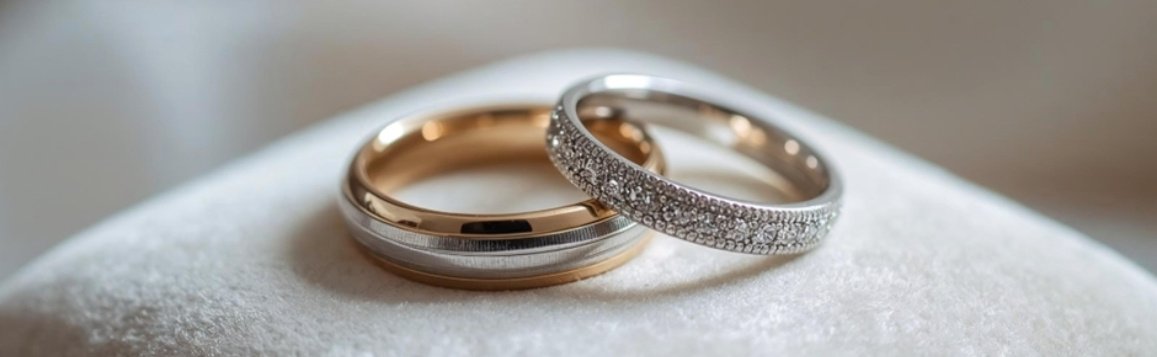
Selecting the right metal for your jewellery is an important decision. The metal you choose doesn’t just influence the style and aesthetic of each piece, but it also affects its price, durability, longevity, and even how well it suits your skin. Some people can experience sensitivities to certain metals, making the choice even more personal.
With so much to consider, it’s no surprise that many shoppers want to compare options like platinum vs white gold, silver vs gold, and more. This guide breaks everything down, helping you to determine the best jewellery materials for your budget, lifestyle, and taste.
Here’s what we’ll cover:
●
A look at the most popular jewellery metals
○
Platinum
○
Gold
○
Silver
○
Rose gold
○
Stainless steel
●
Jewellery metal comparison table
●
FAQs: Choosing the best jewellery metal
A look at the most popular jewellery metals
_2026062-161656.jpg)
Before we start weighing up the differences between platinum vs gold and more, it can help to understand what makes each material unique. Below, we’ll break down each of the most popular jewellery metals and their key properties:
Platinum
Platinum is one of the rarest and most
expensive jewellery metals. Naturally a pale, greyish-white colour, pure
platinum doesn’t tarnish and maintains its silvery hue over time. Known for its
exceptional density and strength, platinum is highly resistant to wear and
tear, making it ideal for heirloom pieces and engagement rings. It’s also hypoallergenic,
meaning it’s a top choice for those with sensitive skin. Due to its high
density, platinum can be difficult to resize and repair.
Pros:
●
Extremely durable and long-lasting
●
Holds gemstones securely due to its strength
●
Naturally white in tone
●
Hypoallergenic and suitable for sensitive skin
Cons:
●
Higher price point than most other metals
●
Heavier feel, which some may not prefer
●
Resizing and repairs may be more complex
Gold
Gold remains one of the most popular jewellery metals
worldwide thanks to its beauty, versatility, and prestige. Pure gold isn’t
vulnerable to tarnishing, though it is too soft for everyday
wear, which is why it’s alloyed with other metals for strength. The type of
alloy determines the colour — most commonly yellow gold and white gold, each offering different benefits:
Yellow gold
Pros:
●
Classic, timeless look
●
Traditional choice for wedding rings, engagement rings, and bridal jewellery
●
Doesn’t tarnish easily
●
Easy for jewellers to repair or resize
Cons:
●
Lower on the Mohs hardness scale than other jewellery
metals, so it may bend or show surface wear more quickly
●
Colour can vary across yellow gold karats, which can
make matching sets tricky
White gold
Pros:
● Sleek,
cool-toned appearance
●
Mimics platinum but more affordable
●
Durable and strong, especially in higher-quality alloys
Cons:
●
The plating can wear away — especially on rings —
exposing a faintly warmer base
Rose gold
Rose gold jewellery gets its unique pink hue
from a blend of gold and copper alloys. Its copper content makes rose gold more
durable than yellow gold, while maintaining a luxurious and feminine feel.
Increasingly popular for engagement jewellery and fashion pieces, it
offers a warm, vintage-inspired aesthetic that complements most skin tones.
Pros:
●
Durable due to copper content
●
Unique and distinctive colour that suits many
skin tones
●
Pairs well with mixed-metal jewellery trends
Cons:
●
Not hypoallergenic (copper may cause reactions)
●
Colour may deepen slightly over time
●
Harder to match perfectly across different
jewellers
Silver
Silver has a bright, cool shine and is highly
workable, making it ideal for carving intricate designs. The most common form
of silver used in jewellery is sterling silver (92.5% silver mixed with alloy
metals). While silver is more affordable than gold or platinum, it’s also
softer, leaving it more prone to scratching and tarnishing and requiring more
regular care.
Pros:
●
Very affordable and accessible
●
Lightweight and comfortable for everyday wear
●
Ideal for detailed, ornate designs
Cons:
●
Tarnishes over time and needs regular polishing
●
Softer metal prone to dents and scratches
●
Can bend or lose shape more easily than platinum or
gold
Stainless steel
Stainless steel is a strong, corrosion-resistant alloy
commonly used in contemporary and fashion jewellery. Its modern grey-silver
appearance, affordability, and resistance to tarnish make it an especially
popular choice for men’s jewellery, as well as for those with
active lifestyles. It’s also lightweight and maintains its finish well with
minimal upkeep.
Pros:
●
Highly durable and scratch-resistant
●
Very affordable
●
Low maintenance and doesn’t tarnish
Cons:
●
Difficult to resize due to its strength
●
Not traditionally used for fine jewellery
● Can feel less “luxurious” compared to precious metals
Jewellery metal comparison table
Here’s a comparison table listing the pros and cons of the main jewellery metals at a glance:
|
Metal |
Colour/appearance
|
Durability
|
Maintenance |
Allergy-friendly? |
Price
range |
Best
for: |
|
Platinum |
White or silvery grey |
Extremely durable |
Occasional cleaning |
Yes |
££££ |
Sensitive skin, heirloom jewellery, engagement rings |
|
Yellow
gold |
Warm, classic gold tone |
Depends on karat |
Needs regular cleaning |
Usually yes |
£££ |
Traditional styles, vintage looks |
|
White
gold |
Bright & cool-toned |
Good |
Can require replating |
Depends on alloy |
£££ |
Diamond jewellery, platinum alternative |
|
Rose
gold |
Warm, pink tone |
Good |
May need regular cleaning |
Copper can cause sensitivity |
££-£££ |
Mixing metals, modern styles |
|
Silver |
Cool and bright |
Medium |
Needs regular cleaning |
Usually yes |
£ |
Intricate designs, budget-friendly pieces |
|
Stainless
steel |
Grey-silver |
Very good |
Occasional cleaning |
Usually yes |
£ |
Everyday wear, active lifestyles |
FAQs: Choosing the best jewellery metal
_2026062-161656.jpg)
What is the difference between white gold and platinum?
White gold is made by alloying yellow gold with white
metals (often palladium and/or silver). Typically, it is then coated in rhodium
for a bright finish. Platinum is a white, naturally occurring metal that is
heavier and more durable than white gold. Plus, it’s hypoallergenic. White gold
is generally more affordable, while platinum offers greater longevity with less
maintenance.
Is platinum more expensive than gold?
Usually, yes. Platinum is typically valued higher per
gram than both yellow and white gold, but jewellery pricing also depends on
craftsmanship, design, and current metal markets.
Occasionally, platinum becomes cheaper than gold, which
is why many people compare platinum price vs gold when choosing an engagement
ring.
Is platinum better than gold?
Not necessarily. Platinum can be better for durability,
long-term wear, and for those with sensitive skin. Gold is typically better
when it comes to affordability and colour options. The best choice depends on
your priorities and lifestyle.
Platinum vs white gold: which is better?
Platinum is more durable and hypoallergenic, while
white gold offers a similar look at a lower price. White gold may require
rhodium replating, whereas platinum maintains its colour naturally, requiring
gentle cleaning.
Is platinum harder than gold?
Pure gold is very soft and scratches easily. Alloyed gold is
harder and can be quite durable, depending on the metals used in the mix.
However, platinum is generally harder and more wear-resistant than most gold
alloys, making it ideal for jewellery that is worn daily.
Silver vs platinum: What’s the difference?
Platinum is a naturally white, dense, and rare precious
metal, prized for its durability and long-lasting shine. Silver is also white
in appearance, but it’s softer, more common, and more prone to tarnish over
time. While silver is affordable and widely available, platinum is considered a
premium metal for fine jewellery.
Should I wear gold or silver jewellery?
Choosing between gold and silver jewellery depends on
your personal style, skin tone, and lifestyle.
●
Skin tone: Warm skin tones often look great with
yellow or rose gold, while cool skin tones tend to suit silver or white gold.
●
Style and occasions: Yellow can offer a classic,
luxurious feel, while silver offers a modern, understated look.
●
Budget: Silver is the cost-effective option,
while gold is considered more premium.
Ultimately, wear what makes you feel confident and
matches your wardrobe and lifestyle. Many people even mix gold and silver for a
versatile, layered look.
Should I choose a gold or silver engagement
ring?
When choosing an engagement ring, gold is generally more
durable and long-lasting, while silver is softer and more prone to scratching
and tarnishing. Beyond durability, it’s best to match the ring’s metal to your
wedding band and the jewellery you wear most often.
What is the difference between white gold and
sterling silver?
White gold is made by alloying yellow gold with white
metals, and is usually coated with rhodium for a bright, durable finish.
Sterling silver is mixed with other metals like copper, making it softer and
more prone to tarnishing. White gold is longer-lasting and more expensive,
while silver is more affordable but requires regular polishing.
Is stainless steel silver?
Stainless steel is not the same as silver — it is a steel alloy with a silvery appearance. It’s durable, tarnish-resistant, and affordable, but it isn’t a precious metal like silver is.
Choosing the right metal for your jewellery comes down to style, durability, budget, and personal preference. With a clear understanding of the differences between popular metals, you can confidently pick pieces that suit your lifestyle and taste.
Ready to find the perfect piece? Explore our full jewellery
collection today, and discover a range of rings, earrings, bracelets, necklaces, and watches
in platinum, yellow gold, white gold, rose gold, silver, stainless steel, and multi-coloured gold. We always offer at
least 30% off the RRP, so you can shop designer pieces online at lower prices.